
.jpg)
Let's talk about the thermostat—that little device that somehow manages to spark more household debates than what to watch on Netflix. If you've ever stood in front of yours, finger hovering over the buttons, wondering whether you're burning money or just trying to stay comfortable, you're not alone. The truth is, finding the sweet spot between comfort and cost-efficiency isn't rocket science, but it does require some finesse, especially when dealing with New York's temperamental seasons.
Here's the golden rule according to the Department of Energy: during summer, aim for 78°F when you're home and bump it higher when you're out. For winter, keep it at 68°F during waking hours and lower it while you're sleeping or away. These aren't arbitrary numbers—they're the result of extensive research into balancing human comfort with energy efficiency.Think of your thermostat like tailoring a suit: one size doesn't fit all, but there's a framework that works for most people. These recommended settings can reduce your energy bill by up to 10% annually, which in New York City translates to serious savings.
Let's address the elephant in the room: Is 72 a good temperature for heat in the winter? Short answer: it's comfortable but costly. While 72°F feels luxurious when snow's piling up outside your Brooklyn brownstone, each degree above 68°F increases your heating costs by approximately 3-5%.
The EPA's Energy Star program suggests 68°F as the optimal winter temperature for most households. If that sounds chilly, layer up with sweaters and invest in some quality throws. Your wallet—and the environment—will thank you.
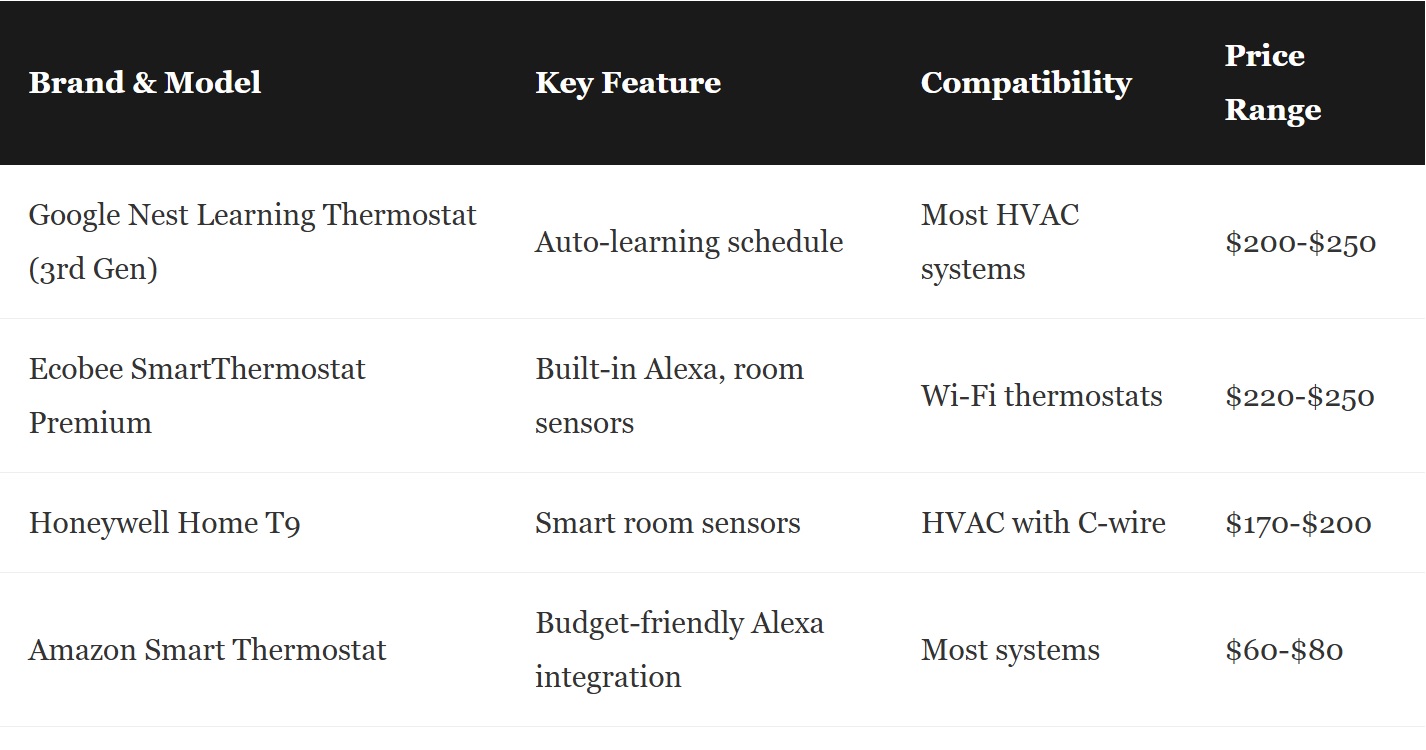
Want to maximize savings without sacrificing comfort? Here's where smart thermostats become your best friend. These devices learn your schedule and adjust automatically, ensuring you're not heating an empty apartment while you're grinding away at the office.
Summer in New York means humidity that makes you feel like you're swimming through air. But cranking your AC to arctic levels isn't the solution. The Department of Energy recommends 78°F when you're home, and honestly, it's more comfortable than you'd think—especially with a ceiling fan running.
Recommended thermostat settings for summer at night: Drop it to 75-76°F for better sleep quality without shocking your electricity bill. If you're in a multi-story brownstone or duplex, consider these adjustments:
Heat rises—it's physics. For two-story homes:
This myth refuses to die, but let's put it to rest: No, maintaining a constant temperature is not cheaper. Your HVAC system doesn't work harder to bring your home back to comfortable temperatures—it works longer, which is different.
According to Energy.gov research, programmable thermostats that automatically adjust when you're away or sleeping save the average household $180 annually. In New York's expensive energy market, that number can be even higher.
Here's where things get technical, but stick with me. Your thermostat fan has two settings:
The verdict: Use AUTO. Running your fan continuously can add $300+ to your annual energy costs and circulate dust unnecessarily. The only exception? If you're dealing with humidity issues in your Queens apartment, continuous fan operation can help—but you're better off investing in a dehumidifier.
Department of Energy recommended thermostat settings summary:
1. Install a programmable or smart thermostat
2. Maintain at least an 8-degree setback for 8 hours daily
3. Use ceiling fans to enhance comfort (remember: counterclockwise in summer, clockwise in winter)
4. Seal windows and doors to prevent drafts
5. Schedule annual HVAC maintenance
Finding your perfect thermostat setting is part science, part personal preference. The Department of Energy's recommendations (78°F summer, 68°F winter) provide an excellent starting point, but New Yorkers know that every building is different—that prewar apartment with radiators you can't control requires different strategies than a new construction condo with central air.
Start with these guidelines, invest in a quality smart thermostat, and pay attention to your energy bills. You might discover that saving money and staying comfortable aren't mutually exclusive after all. And if your roommate or partner still wants to wage thermostat wars? Well, at least now you've got data on your side.
Ready to optimize your home comfort? Pick up a smart thermostat this weekend and start programming your way to lower energy bills. Your future self—and your bank account—will be glad you did.


