
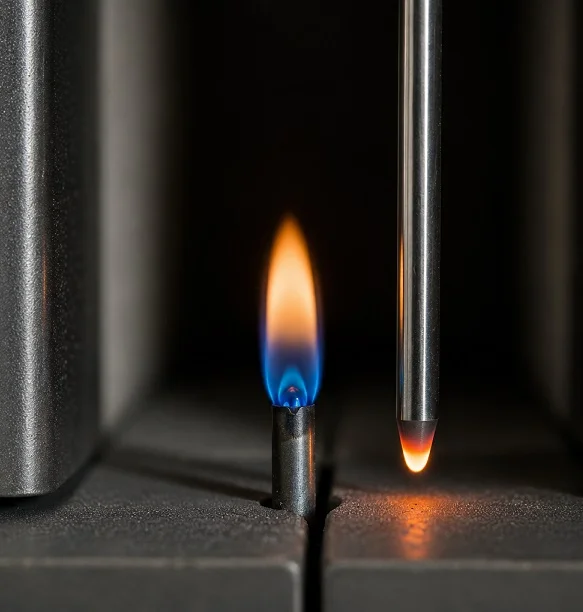
Gas-powered heating systems rely on a fundamental ignition mechanism that many property owners overlook until problems arise. The pilot light - a small, continuously burning flame -serves as the ignition source for furnaces, water heaters, and other gas appliances throughout residential and commercial properties. When this component malfunctions, the consequences extend beyond mere inconvenience to potential safety hazards and significant energy waste.
Many ignition problems start quietly. A gas furnace may still produce warm air even when the pilot light is weak, unstable, or burning the wrong color. These warning signs can point to poor combustion, wasted fuel, or a failing component that needs attention.
A healthy flame should burn steady and blue. If it flickers, turns yellow or orange, goes out often, or will not stay lit after relighting, the issue may involve the thermocouple, gas supply, draft conditions, or ignition system. It is also important to know what type of setup your furnace uses. Older systems often rely on a standing pilot light, while newer HVAC units may use intermittent ignition or hot surface ignition. Each design requires a different approach to inspection, maintenance, and repair.
For standing pilot systems, the relighting process follows standardized steps:
For how to relight pilot light on old furnace applications, the process remains similar, though older systems may lack piezo igniters, requiring manual flame introduction.
Systems with electronic ignition require different approaches. How to light a gas heater with electronic pilot typically involves:
If electronic ignition fails repeatedly, the issue likely involves igniter degradation, control board malfunction, or flame sensor contamination - conditions requiring professional diagnosis.
.webp)
"My System Works Fine - No Need for Maintenance." Functional heating does not indicate optimal operation. Pilot lights operating with improper flame characteristics waste fuel continuously while potentially generating elevated carbon monoxide levels. Annual professional inspection identifies inefficiencies invisible to untrained observation.
"I Can Handle All Repairs Myself." Basic relighting procedures fall within reasonable homeowner capabilities. However, component replacement - thermocouples, gas valves, control boards - involves technical knowledge and safety protocols that exceed typical DIY boundaries. Improper repairs risk gas leaks, carbon monoxide exposure, and equipment damage exceeding professional service costs.
Most modern furnaces utilize intermittent pilot ignition or hot surface ignition rather than standing pilots. However, millions of older systems with standing pilots remain in service throughout the United States.
Traditional gas furnaces, water heaters, fireplaces, stoves, ovens, and boilers may feature pilot lights. Standing pilots appear most commonly in equipment manufactured before 2000.
Turn the gas control to "Off" and wait five minutes. Turn to "Pilot," depress the reset button, and ignite the pilot using the piezo igniter or long-reach lighter. Hold for 30-60 seconds, release, verify the flame remains lit, then turn the control to "On." Consult your equipment manual for model-specific instructions.


