
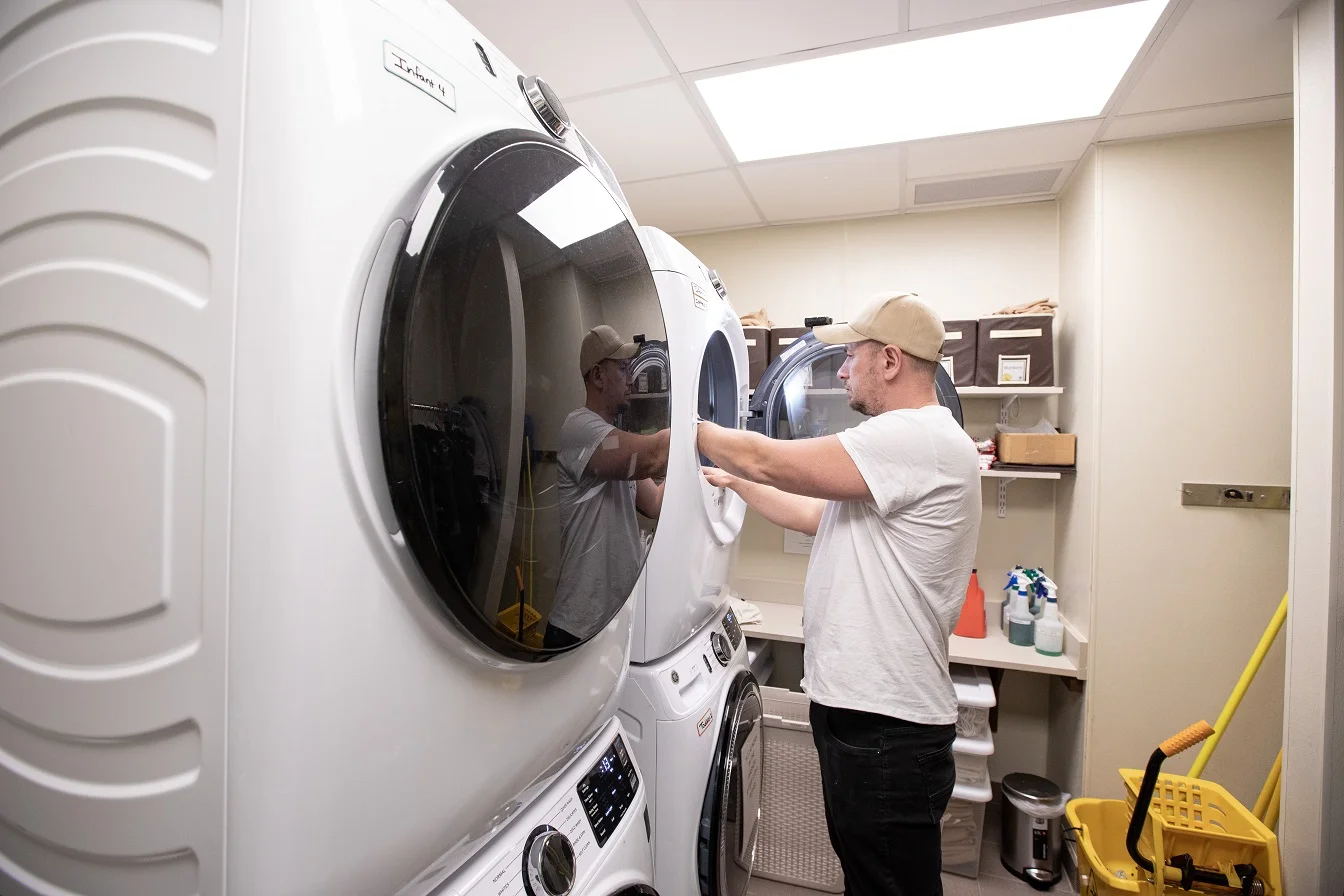
Most dryers do not fail all at once. The machine still turns on, the drum still spins, and warm air still seems to circulate inside. At first, the only noticeable change is that clothes take a little longer to dry. Then towels stay damp after one cycle. The laundry room becomes hotter than usual. Some customers begin noticing a burning smell or find that the dryer suddenly shuts off before the cycle is finished.
Many people assume the appliance itself is failing. In reality, one of the most common causes behind these problems is restricted airflow inside the dryer vent system.
Dryer vents are easy to ignore because they are mostly hidden behind walls, ceilings, or laundry closets. Over time, lint and debris slowly build up inside the vent line, reducing airflow and forcing the dryer to work much harder than it should. The longer this continues, the more stress the system experiences internally.
At Manhattan HVAC & Appliance Repair, we regularly see situations where what appears to be a major dryer repair issue actually starts with poor ventilation and restricted airflow.
Residential and commercial dryers may look very different, but they often suffer from the same underlying issue: airflow restriction caused by lint buildup.
The difference is usually the workload.
A residential dryer may run several times a week in a small apartment laundry closet or utility room. A commercial dryer, on the other hand, may operate continuously for hours inside laundromats, apartment buildings, salons, gyms, or hotels. The more frequently the system runs, the faster lint accumulates inside the vent system.
Commercial dryers also generate far more heat and move significantly larger volumes of air. Once airflow begins decreasing, overheating problems can escalate quickly.
Residential systems develop problems more gradually. Homeowners often ignore early symptoms because the dryer technically still works. Clothes eventually dry after two or three cycles, so the issue gets postponed for weeks or even months.
By the time customers finally schedule service, the dryer may already be overheating internally or damaging electrical and mechanical components.
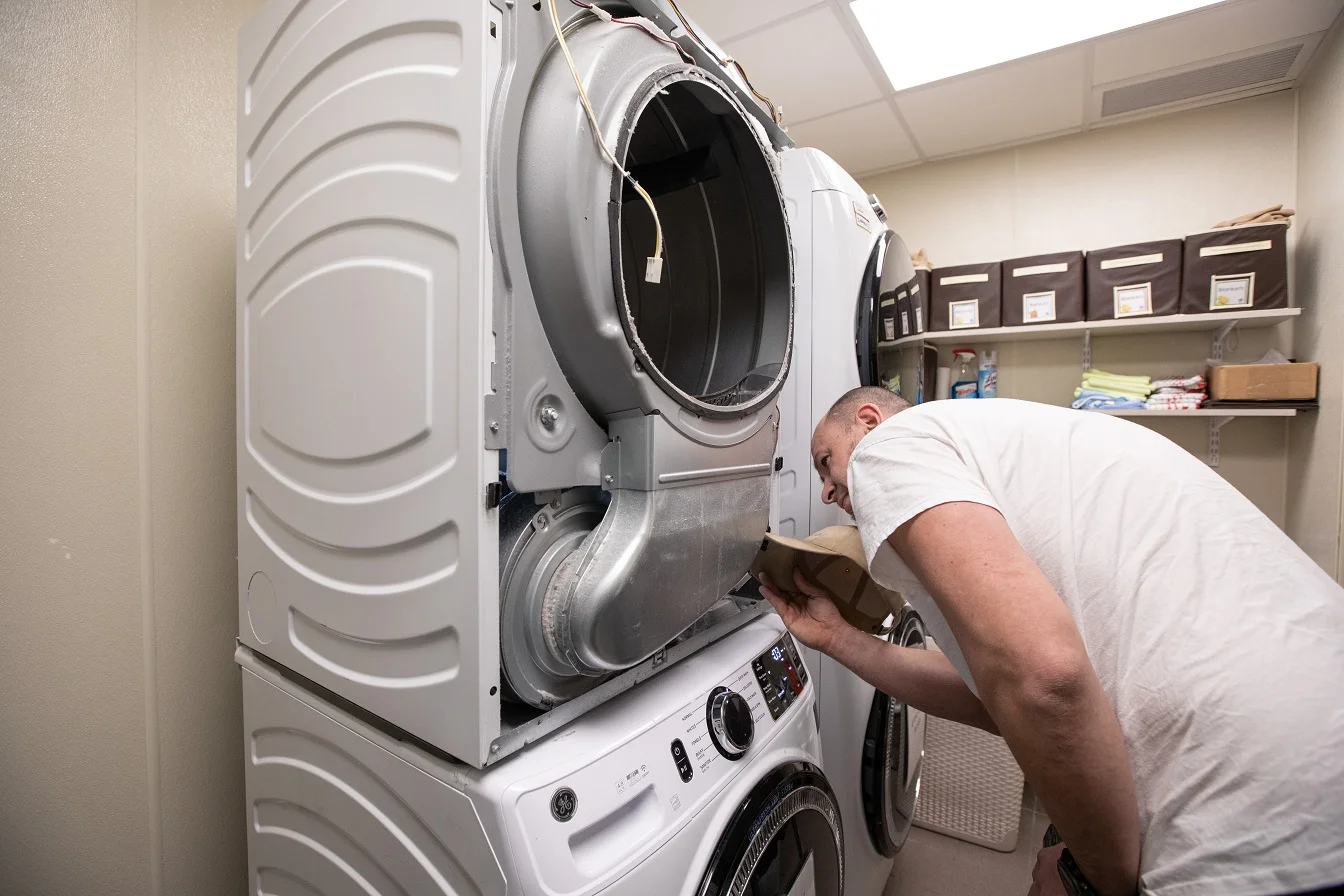
One reason dryer vent problems are frequently ignored is because they develop gradually.
Unlike sudden appliance failures, vent restrictions build up little by little over time. The system continues operating, but under increasingly stressful conditions.
As airflow decreases, internal temperatures rise. The dryer works harder and longer to remove the same amount of moisture from clothing. Components experience more heat exposure than they were designed for.
Eventually customers begin noticing symptoms like:
Lint itself also becomes part of the problem. Even though the lint trap captures a large portion of debris, fine particles still travel through the vent system during every cycle. Over months and years, this buildup creates highly flammable material inside a heated airflow system.
This is one reason dryer vent cleaning is not simply about improving efficiency. It is also about reducing unnecessary heat buildup and helping the system operate safely.
Many homeowners try cleaning dryer vents themselves after noticing poor drying performance. Basic maintenance absolutely helps, especially cleaning the lint trap regularly and removing visible lint near the dryer connection.
However, most vent systems extend much farther than people realize.
In some homes and apartment buildings, dryer vents travel through walls, ceilings, utility shafts, or long horizontal duct runs before reaching the exterior of the building. Over time, lint collects in bends, low points, and difficult-to-access sections of the vent line.
This is why DIY cleaning often removes only the visible buildup near the dryer itself while deeper restrictions remain inside the system.
Another common issue is damaged or crushed flexible duct connections behind the appliance. In tight laundry closets, dryers are frequently pushed too close to the wall, partially collapsing the vent hose and reducing airflow even further.

Professional dryer vent cleaning is not simply about removing lint from one small section.
Proper airflow evaluation often involves checking:
After working on thousands of residential and commercial appliance repair calls, one pattern appears again and again: airflow problems are often underestimated until they begin affecting the entire dryer system.
From our experience, dryers rarely fail because of one single dramatic event. More often, excessive heat slowly wears down components over time - especially in systems with poor ventilation, compact laundry installations, or heavily used commercial equipment.
That is why we always recommend paying attention to early warning signs such as longer drying cycles, excessive heat, weak airflow, or unusual smells. Addressing airflow issues early can often help prevent more serious damage, reduce unnecessary stress on the appliance, and extend the lifespan of the dryer system overall.


