
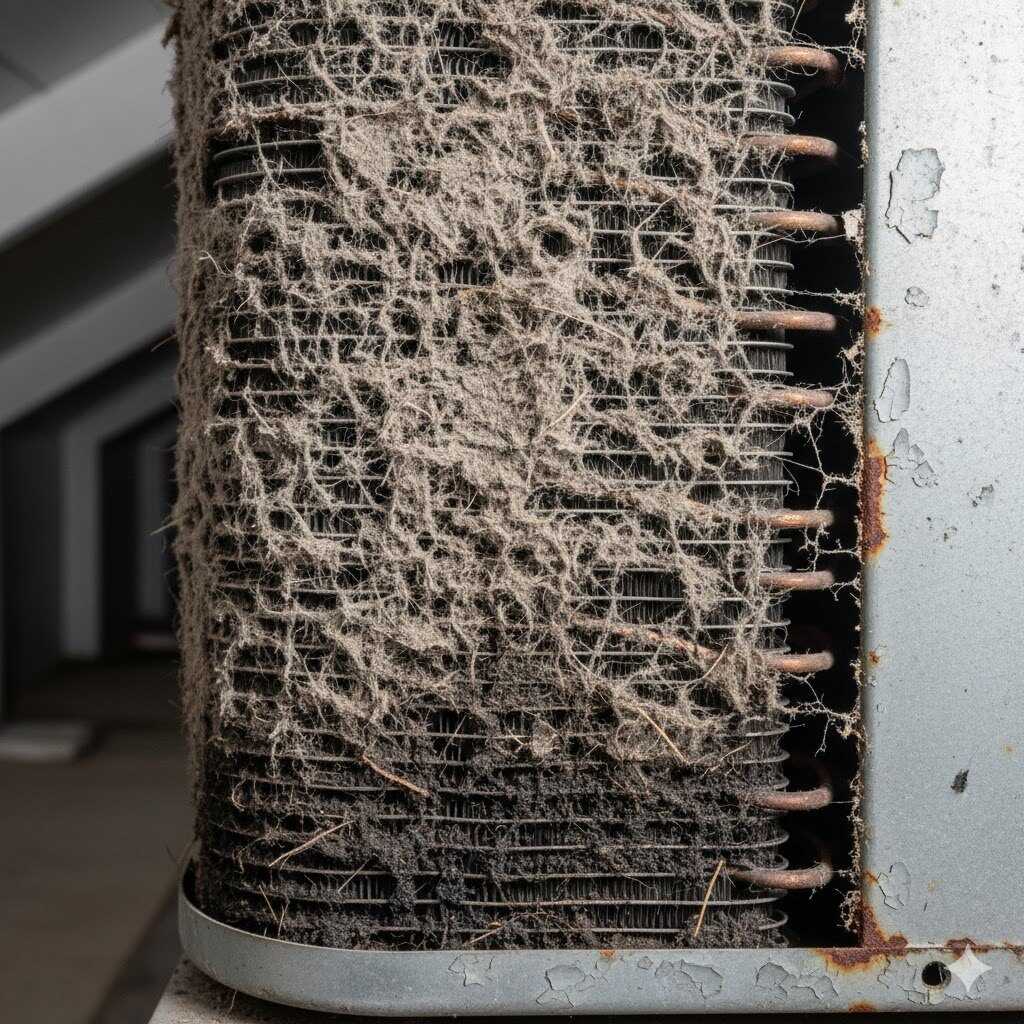
Look, we get it. Summer in New York can feel like living inside someone's mouth—humid, uncomfortable, and borderline unbearable. Your air conditioner is the unsung hero keeping you from melting into your couch, but when was the last time you showed it some love? If your AC is working harder than a Wall Street intern but producing less cool air, it's probably time for a deep clean. Think of it this way: you wouldn't run a marathon without proper breathing, so why expect your AC to perform with clogged coils and dirty filters?
The truth is, cleaning your air conditioner coils and filters isn't just about performance—it's about economics. A well-maintained AC unit can slash your energy bills by up to 15% and extend your system's lifespan significantly. So let's roll up our sleeves and get into the nitty-gritty of AC maintenance that'll keep you cool all summer long.
Absolutely. Unless your AC unit is mounted on the roof of a skyscraper or you're dealing with a commercial-grade system, most coil cleaning is perfectly manageable for the average homeowner. The key is knowing your limits and having the right tools. For basic maintenance on window units, split systems, and even central AC condensers in your backyard, you're looking at a straightforward weekend project.
However, if you're dealing with hard-to-reach evaporator coils buried deep in your HVAC system, or if you notice refrigerant leaks or electrical issues, that's when you call in the professionals. Think of it like grooming—you can trim your own beard, but you wouldn't perform your own hair transplant.
Before you channel your inner handyman, turn off the power to your AC unit—both at the thermostat and the circuit breaker. This isn't optional. You're dealing with electricity and metal components, and the combination can be unforgiving.
For window units and wall-mounted systems: Remove the front panel (usually held by clips or screws). You'll immediately see the filter and, behind it, the evaporator coils.
For central AC systems: The outdoor condenser unit is your starting point. Remove the protective grille or panels. The indoor evaporator coils are typically located in the air handler or furnace cabinet—you may need to remove an access panel.
Your filter is the first line of defense against dust, pet hair, and whatever else is floating around your NYC apartment. If it's a reusable filter, vacuum both sides thoroughly, then wash with warm water and mild dish soap. Let it dry completely before reinstalling—moisture + electronics = bad news.
For disposable filters, just replace them. Period. They're cheap insurance for your expensive equipment.
Pro tip: In New York, with all that urban dust and pollen, check your filters monthly during cooling season and replace or clean them at least every 30-60 days.
These are the delicate aluminum fins that look like tiny metal accordions. Here's where the magic happens:
The Vinegar Method (Budget-Friendly and Effective)
Commercial Coil Cleaner Method Products like Nu-Calgon Evap Foam No Rinse Cleaner (available at Home Depot for around $15-20) are specifically formulated for this task. They're foaming cleaners that expand into the coil crevices and require no rinsing—the condensation from your AC operation does the work.
Your outdoor condenser is basically a magnet for leaves, cottonwood fluff, dirt, and the occasional urban tumbleweed. Here's the attack plan:
1. Clear the perimeter: Remove any debris, vegetation, or mystery items within 2 feet of the unit
2. Vacuum the exterior: Use a shop vac with a brush attachment to remove loose dirt from the fins
3. Spray from inside-out: Using a garden hose with a spray nozzle (not a pressure washer—you'll bend the fins), spray from the inside of the unit outward to push debris out
4. Apply coil cleaner if needed: For heavy buildup, use a product like Frost King ACF19 A/C Coil Foam Cleaner (around $10-12 at Amazon or Lowe's)
5. Straighten bent fins: Use a fin comb (about $8-15) to gently straighten any bent aluminum fins
The short answer: at least once a year, ideally before cooling season kicks in (late April/early May in New York). However, if you're living in a high-pollen area, have pets, or notice any of these red flags, bump it up to twice annually:
1. Reduced cooling capacity: Your AC runs constantly but your apartment still feels like a sauna
2. Higher energy bills: The compressor works overtime, burning through electricity
3. Warm air blowing from vents: The system can't dissipate heat properly
4. Unit overheating or shutting down: Safety mechanisms kick in to prevent damage
Think of dirty coils like clogged arteries—your system's heart (the compressor) has to work exponentially harder to pump, leading to premature failure and expensive repairs.
As long as you follow basic safety protocols—power off, no pressure washers on coils, avoid bending fins, and don't touch electrical components—you're in safe territory. The Consumer Product Safety Commission doesn't classify routine AC maintenance as high-risk, provided you use common sense.
That said, know when to fold: if you see ice buildup (indicates refrigerant issues), smell burning, notice oil around the compressor, or encounter anything that looks corroded or damaged, step back and call a licensed HVAC technician. In New York, a service call runs $100-200 for diagnostics, but that beats a $3,000+ compressor replacement any day.
Maintaining your air conditioner isn't glamorous, but neither is sweating through your favorite shirt during a heatwave. Spending an hour or two cleaning your AC coils and filters can extend your unit's lifespan by years, reduce your energy consumption significantly, and ensure you're breathing cleaner air.
Regular maintenance is the difference between a system that limps along for 8-10 years and one that purrs efficiently for 15-20. In a city where HVAC replacement can cost $5,000-10,000, that's a return on investment that would make any Wall Street analyst jealous.
So grab your supplies, pick a moderate-temperature weekend (you'll need to keep the AC off for a few hours), and show your cooling system some well-deserved TLC. Your future self—and your utility bill—will thank you.
Ready to get started? Turn off that AC, grab your cleaning supplies, and reclaim your comfort. And if you found this guide helpful, share it with your neighbors who are still convinced that "refrigerant just needs recharging every year" (spoiler: it shouldn't).


