
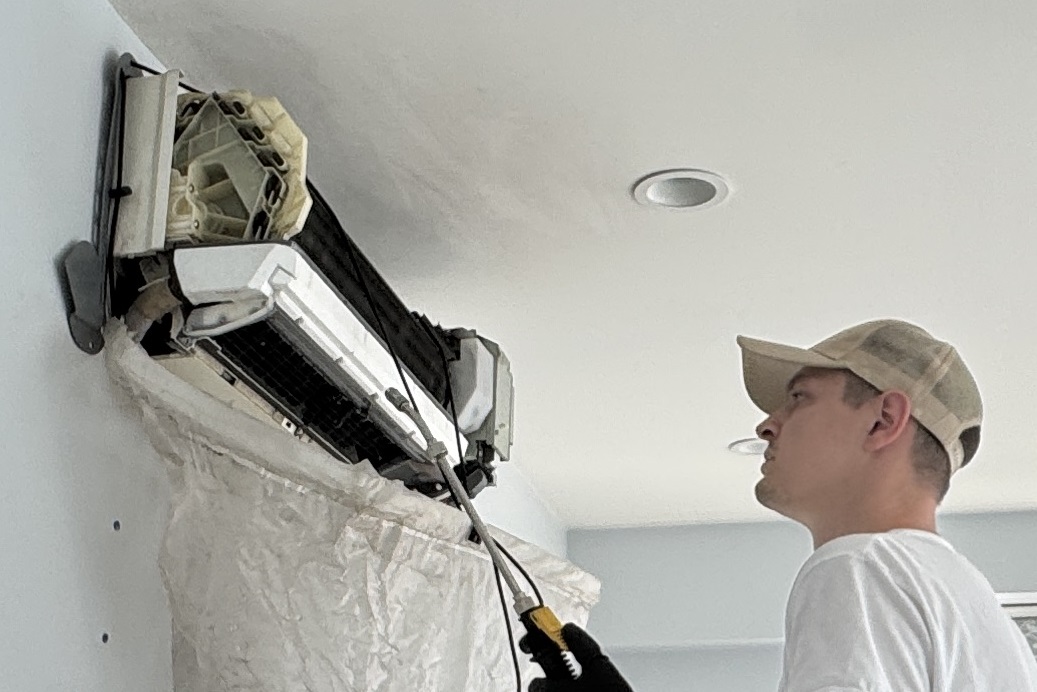
You know that feeling when your air conditioner suddenly starts blowing warm air during a scorching New York summer? That slight hissing sound you've been ignoring? Welcome to the world of AC refrigerant leaks—a problem that's equal parts annoying, potentially expensive, and yes, occasionally hazardous. Let's break down what you're dealing with, because understanding your cooling system's silent cry for help is the first step to restoring your sanctuary of chill.
Your air conditioner isn't great at communication, but when refrigerant starts escaping, it drops some pretty obvious hints. The most telltale AC refrigerant leak symptoms include warm air blowing from your vents (the ultimate betrayal), ice formation on the evaporator coils, and a noticeable spike in your electricity bill as your system works overtime trying to compensate.
You might also notice that AC refrigerant leak smell—a slightly sweet, chemical odor that's reminiscent of chloroform. According to EPA guidelines, modern refrigerants like R-410A are largely odorless, but older systems using R-22 (Freon) can produce a distinct scent. If you're catching whiffs of something unusual around your unit, don't dismiss it.
Listen closely, too. A persistent hissing or bubbling sound near your AC unit often indicates refrigerant escaping through a crack or loose connection. It's like your system is literally whispering its distress signal.
Can an AC refrigerant leak make you sick? The short answer: potentially, yes. While modern refrigerants are significantly safer than their predecessors, exposure isn't exactly a health tonic. According to CDC safety information, inhaling refrigerant can cause dizziness, headaches, nausea, and in concentrated doses, more serious respiratory issues.
Is it safe to stay in a house with a refrigerant leak? Generally speaking, small leaks in well-ventilated areas pose minimal risk. However, larger leaks in confined spaces can displace oxygen and create hazardous conditions. The American Lung Association emphasizes proper ventilation and prompt professional repair. If you're experiencing symptoms like shortness of breath, irregular heartbeat, or persistent headaches, evacuate and call a professional immediately.
First things first: turn off your system. Running an AC with low refrigerant damages the compressor—the heart of your cooling system—which transforms a relatively simple repair into a wallet-draining replacement. Open windows to ventilate the area, and resist the temptation to DIY this particular problem unless you're EPA-certified to handle refrigerants.
Contact a licensed HVAC technician who can properly diagnose the leak using electronic detectors or UV dye methods. According to HomeAdvisor, professionals can pinpoint leaks in coils, line sets, or connection points that are invisible to the untrained eye.
How to fix AC refrigerant leak is a question that pops up frequently on AC refrigerant leak Reddit threads, usually followed by cautionary tales. Here's the reality: legally and practically, this isn't a DIY job. The EPA requires certification to purchase and handle refrigerants—no exceptions.
Professional repair involves:
Once you've weathered the repair storm, prevention becomes priority number one. Schedule annual maintenance before cooling season hits—typically April in New York. A good technician will check refrigerant levels, inspect line sets for corrosion, and tighten connections before small issues become major problems.
Keep your outdoor condenser unit clear of debris, landscaping, and winter's wrath. Corrosion from road salt is particularly problematic in NY, so periodic cleaning pays dividends.
AC refrigerant leaks aren't something to sleep on—literally or figuratively. They compromise comfort, inflate utility bills, damage equipment, and potentially affect your health. The good news? Modern detection methods and repair techniques make fixes relatively straightforward when caught early.
If your system is showing symptoms, act quickly. A $300 repair today beats a $3,000 replacement tomorrow. And during those dog days of summer when everyone else is sweating through appointments, you'll be sitting pretty in your climate-controlled castle, leak-free and comfortable.
Ready to restore your cool? Contact a certified HVAC technician today for a system inspection. Your future self—and your AC compressor—will thank you.


