
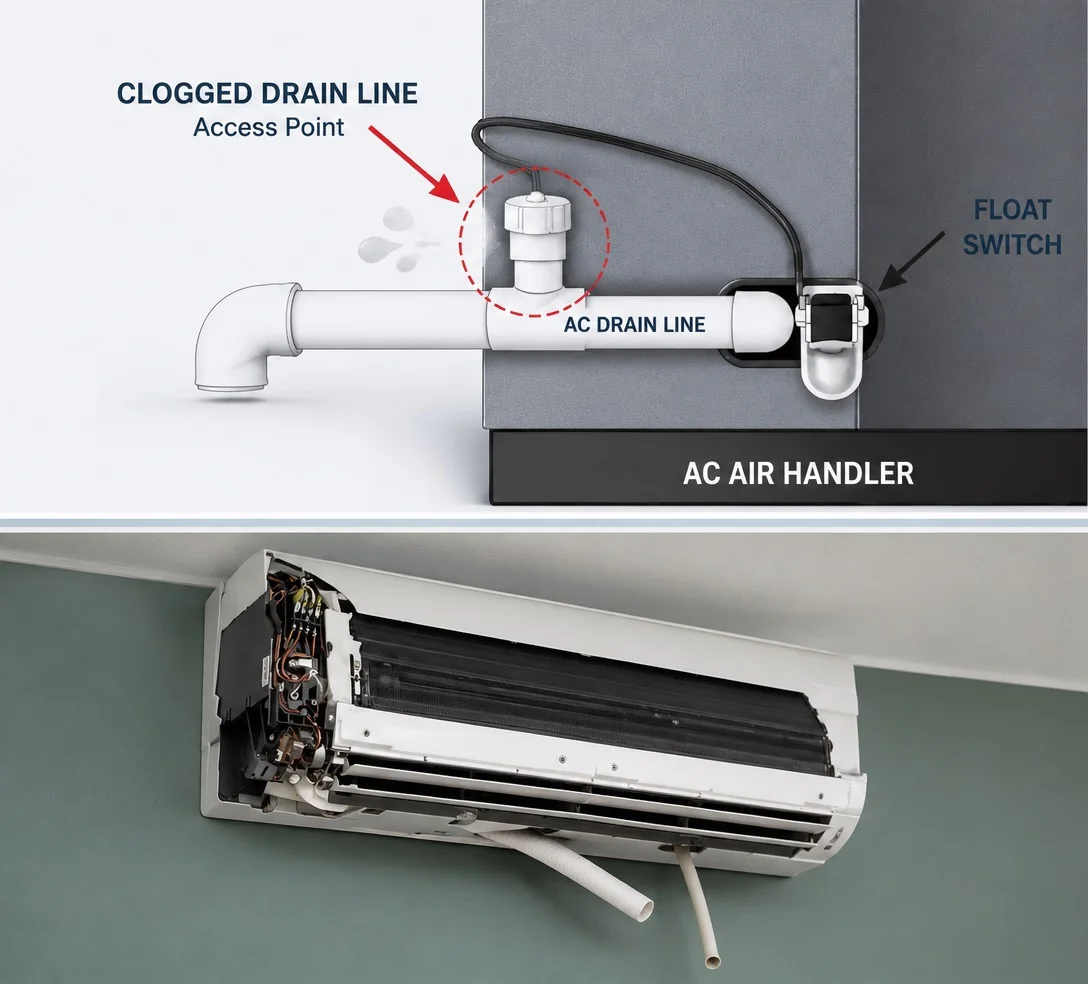
A properly functioning air conditioning system removes more than just heat from indoor spaces. During normal operation, AC units extract significant moisture from the air - often producing between 5 and 20 gallons of condensate daily, depending on humidity levels and system capacity. This moisture must drain efficiently through the condensate line. When an AC drain line clogged condition develops, the consequences extend far beyond minor inconvenience.
The air conditioner drain line inside house installations face constant exposure to conditions that promote biological growth. Warm, moist environments within the drain pan and line create optimal conditions for algae, mold, and bacterial colonies. Over time, these organisms combine with dust, debris, and mineral deposits to form blockages that restrict or completely prevent drainage.
Many property owners remain unaware of developing clogs until visible symptoms emerge. The drain line operates out of sight, typically running from the indoor evaporator coil to an exterior drainage point or plumbing connection. Without regular inspection, gradual buildup progresses undetected until the system fails or water damage occurs.
Ignoring AC drain line clogged symptoms creates cascading problems that affect both equipment longevity and property condition. According to industry data from the Air Conditioning Contractors of America, water damage from HVAC-related issues ranks among the top five most common homeowner insurance claims, with average remediation costs exceeding $11,000.
Beyond property damage, clogged drain lines compromise indoor air quality. Stagnant water in the drain pan becomes a breeding ground for mold spores that circulate through the ductwork. Indoor air contaminants can reach concentrations two to five times higher than outdoor levels when HVAC systems harbor biological growth.
Early identification of AC drain line clogged symptoms prevents minor issues from escalating into major repairs. The following indicators warrant immediate attention:
Modern systems often include float switches that shut down the unit when the drain pan fills, preventing overflow. While this safety feature protects against immediate water damage, it also means a clogged drain can render the entire cooling system inoperative during peak demand periods.
Several misconceptions prevent property owners from taking appropriate action:
"Bleach solves all drain line problems." While diluted bleach (1/4 cup per treatment) eliminates biological growth, it does not dissolve mineral deposits or physical debris. Severely clogged lines require mechanical clearing before chemical treatments become effective.
"Float switches eliminate all risk." Float switches prevent overflow but do not prevent the conditions causing biological growth, corrosion, or air quality degradation. They address symptoms rather than causes.
"Annual maintenance is unnecessary if the system works." Drain line issues develop gradually. By the time symptoms appear, damage may already have occurred. Preventive maintenance identifies and addresses problems before they manifest as failures or property damage.
Property owners should conduct an immediate inspection of their AC drain line system. Locate the access point, examine the drain pan for standing water or visible growth, and verify that the exterior termination point shows evidence of recent drainage. For systems showing any warning signs, schedule professional service before the condition worsens.
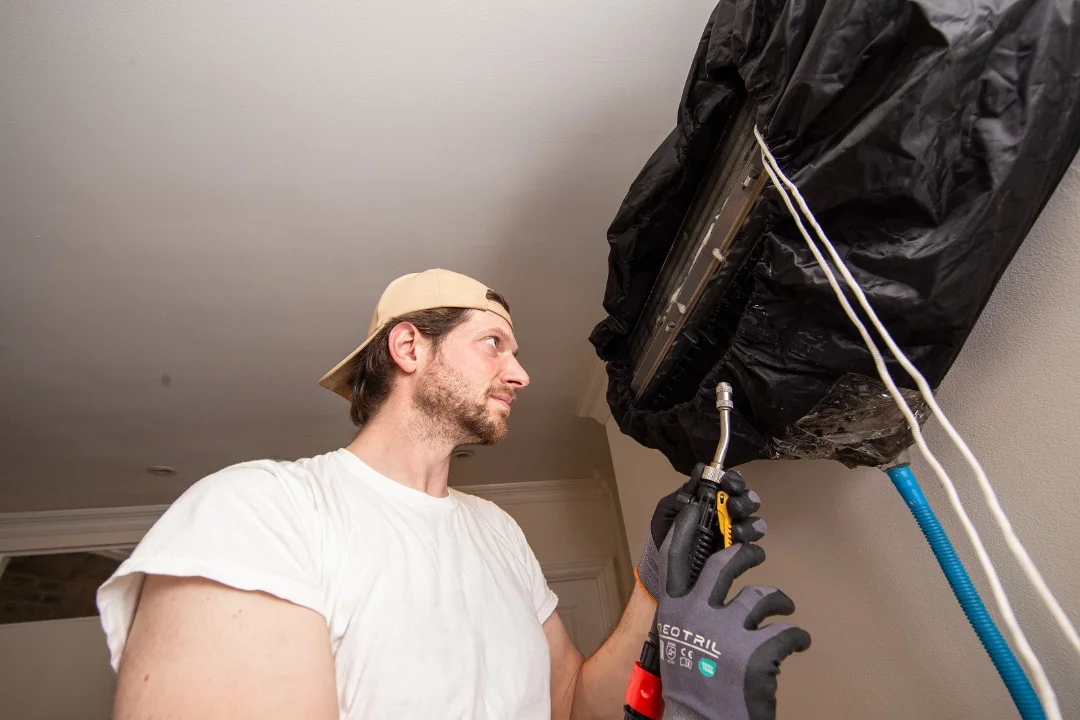
Those comfortable with DIY maintenance should purchase an enzymatic AC drain line cleaner and establish a quarterly treatment schedule. This single preventive measure eliminates the majority of organic clog development and extends the interval between professional service requirements.
The investment of 15 minutes quarterly prevents repair costs that frequently exceed $1,000 and protects against water damage that insurance may not fully cover if attributed to maintenance neglect.


